
-
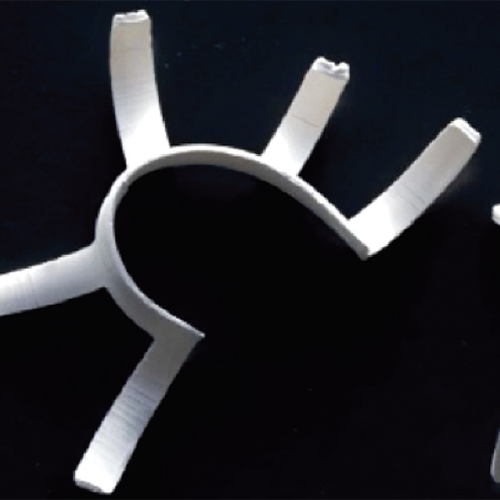 Clay Culture: Bio-InspiredWarping during firings doesn’t have to be a negative outcome. Hortense Le Ferrand is studying ways to mimic internal plant architecture in clay to create forms that change shape dynamically and predictably when fired.
 -
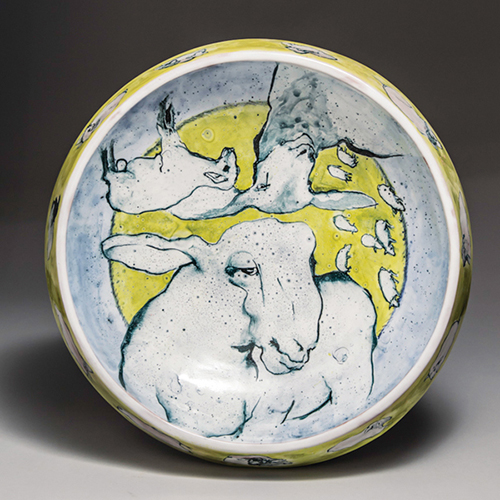 Exposure: March 2022Images from Current and Upcoming Exhibitions
 -
 Quick Tip: A Quick WipeAt the glaze phase of some small pinched forms I recently made, I wanted to be able to consistently and efficiently keep my stable, satin glaze just a hair above the bottom edge of each piece.
 -
 From the Editor: March 2022As mentorship is a key throughline for all of the artists, both in terms of how they built their carers and how they in turn guide others, one takeaway for all of us is to find, foster, and offer these relationships in our own lives.
 -
 Spotlight: Mobile MakersSarah Anderson, along with fellow potter Marret Metzger and dog Pip, have planned an epic road trip from Texas to Sacramento, California. Along the way, they’ll hike, visit artists and galleries, and make work in their mobile studio.
 -
 Call for Entries: February 2022Deadlines for exhibitions, fairs, and festivals.
 -
 Recipes: Cone-10 SurfacesBy combining stains and layered glazes, Abby Reczek accentuates and adds layers to her carved and incised surface designs.
 -
 Tips and Tools: Electric KilnsThis brief foundational guide to electric kilns includes information on what to look for and consider when buying.
 -
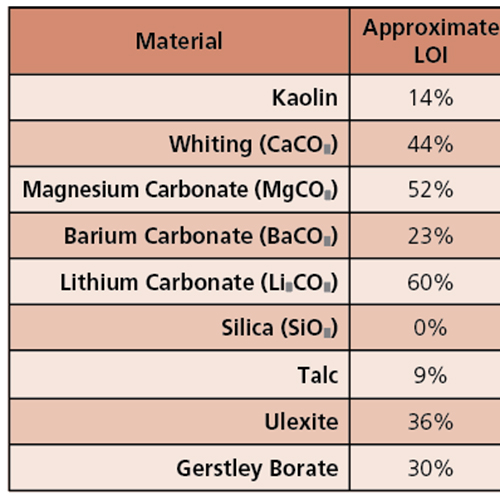 Techno File: Loss on IgnitionLoss on ignition (LOI) gives valuable, but often underused information about ceramic raw materials. Discover why LOI matters and how ceramic artists can use it to their advantage.
 -
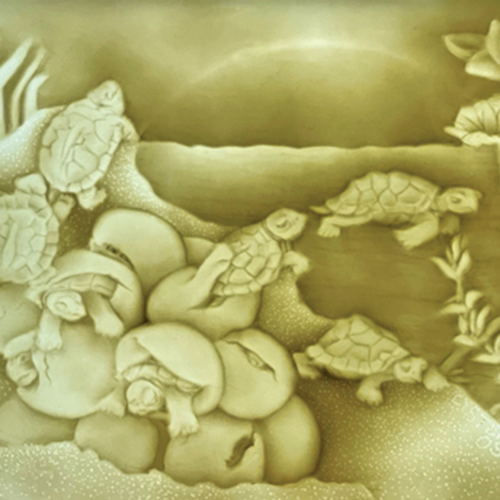 A New Path with LithophanesStephanie Osser describes the history of lithophanes as well as an introductory project for those interested in the process.
 -
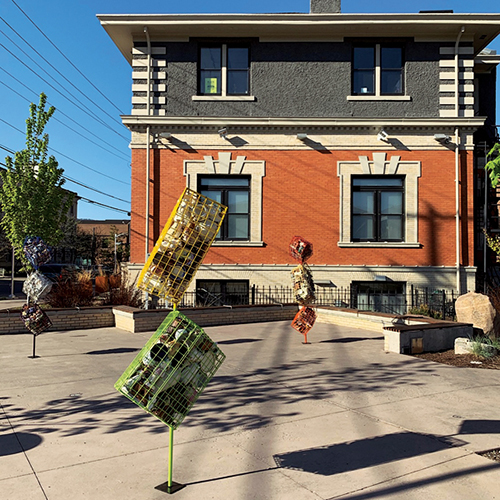 Robert Harrison: A Collective PurposeKnown for his architectural ceramics and focus on sustainability in the field, Robert Harrison’s new work repurposes found, altered, and manufactured ceramics to create large-scale assemblage sculptures.
 -
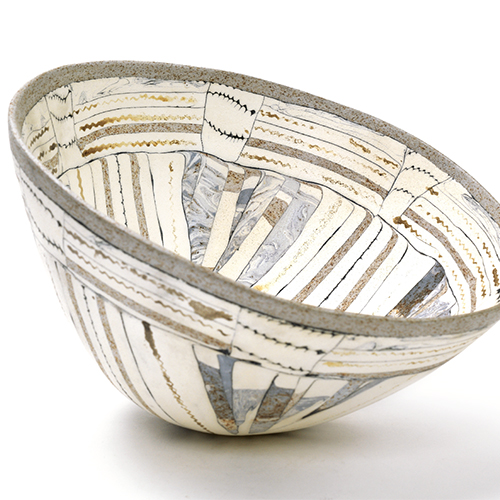 Barbara Gittings: The Power of the CutInfluenced by a decades-long career in fashion, Barbara Gittings creates patterned vessels using oxide-stained clay and nerikomi techniques.
 -
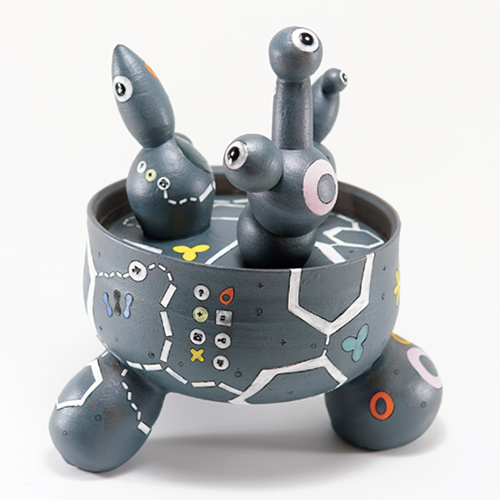 Masa Sasaki: Shifting Form and Holding WonderAlien imagery, symbols, and numbers adorn the surfaces of potter Masa Sasaki’s distinct vessels. Layered with influence pulled from music, personal experience as an immigrant, and philosophies on happiness, his ceramic pots embody curiosity.
 -
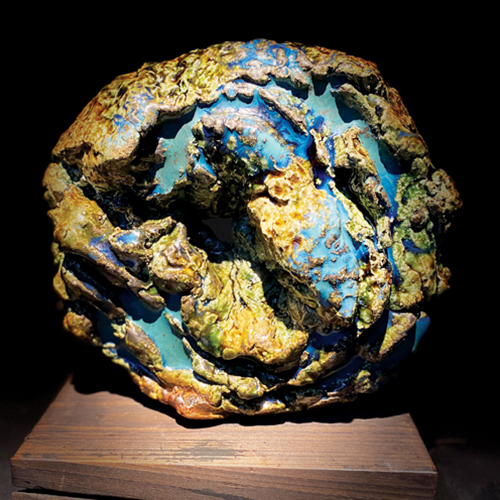 Jeff Shapiro: Quiet Influences of Nature and MaterialJeff Shapiro’s new sculptural work builds on his long-held interest in finding beauty in nature (including its imperfections), observing his surroundings to make new discoveries, and researching and understanding the essence of objects.
 -
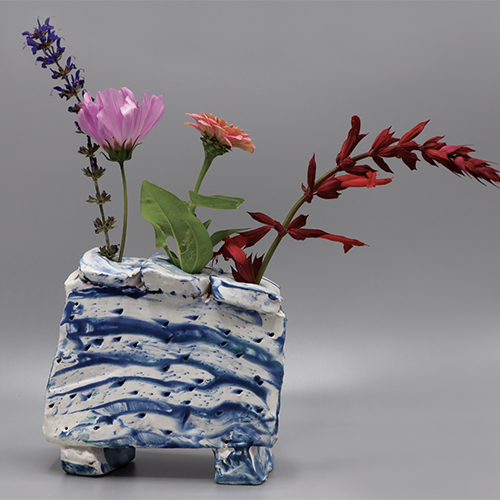 George Metropoulos McCauley: Mistakes Make the MagicGeorge Metropoulos builds characters and bodies of work in a uniquely immersive fashion. Loosely constructed and often decorated with Redneck Majolica, his vessels and sculptures are eccentric, inventive, and earnest.
 -
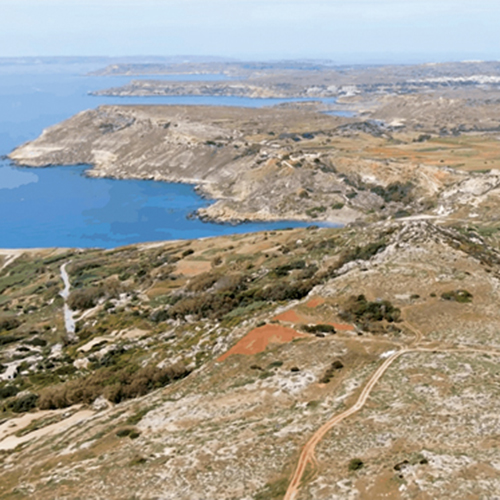 Clay Culture: Proteomics and PotsAnalysis of residues sampled from ancient vessels can reveal information on the proteins, and therefore the diets, diseases, and species contemporary to their users.
 -
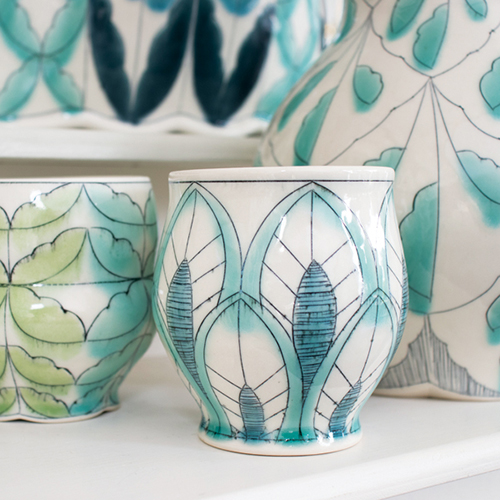 Clay Culture: Finding a BalancePotter Abby Reczek moved to Floyd, Virginia, for an apprenticeship, and decided to stay. When the opportunity arose to co-own a gallery business in town, she worked hard to make it happen.
 -
Clay Culture: Ceramic Swallows of PortugalSwallows have special meaning in Portuguese culture, and ceramic silhouettes of these distinctive birds can be found on the walls of many homes and businesses.
-
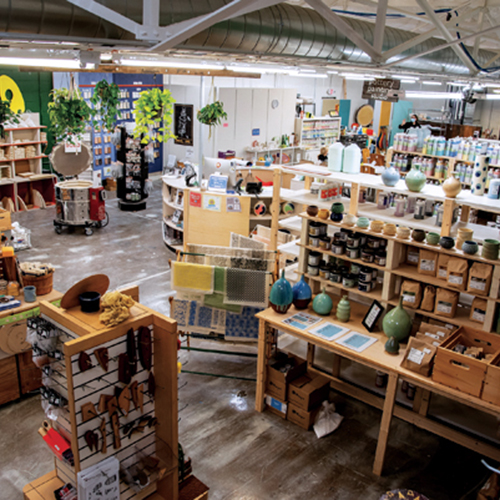 Clay Culture: Moving Queen City ClayThe pandemic gave the owners of Queen City Clay a chance to reassess their current and future facility needs. They share the process of re-imagining and then reconstructing their business in a new, expansive space.
 -
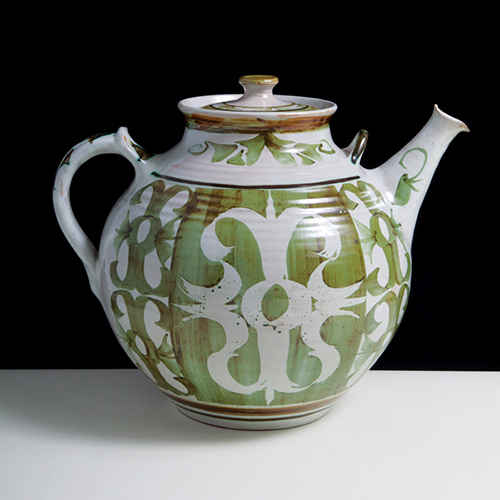 Exposure: February 2022Images from Current and Upcoming Exhibitions
- «
- 41
- 42
- 43
- 44 (current)
- 45
- 46
- 47
- 48
- 49
- 50
- »