
-
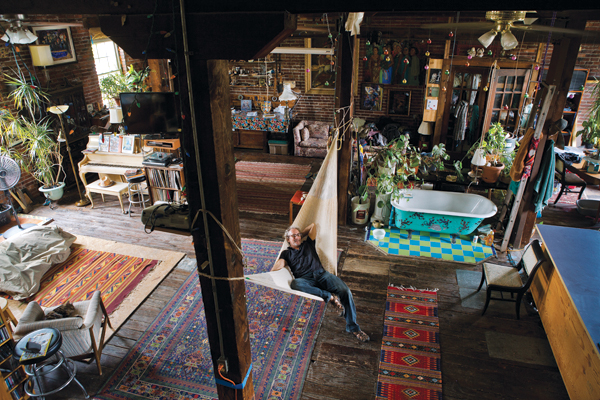 Studio Visit: James Simon, Pittsburgh, PennsylvaniaMy studio on Gist Street was love at first site. My friend Rick and I were driving around Pittsburgh, Pennsylvania, neighborhoods, checking out interesting buildings and there it was. Formerly a junky
 -
 Clay Culture: Phoenix City GuideWhether you’re planning to visit (or move to) the Southwest to avoid the winter in colder climes or you’re looking for a ceramics-focused travel adventure, Phoenix, Arizona, should be at the top of yo
 -
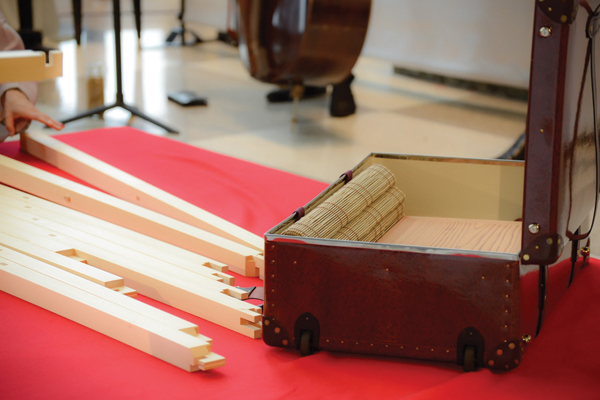 Clay Culture: Peace is...Coexistence“Peace is . . .” is a project organized by the Permanent Mission of Japan to the United Nations that highlights peace and togetherness through a series of events focusing on culture and art that are s
 -
 Clay Culture: National Clay WeekThe founders of National Clay Week (NCW) had a vision—to create an online framework where the ceramics community could engage in a celebration of all facets of clay. Every March we gather in a city in
 -
 Exposure: November 2018Images from Current and Upcoming Exhibitions
 -
 From the Editor: November 2018November 2018 From the Editor
 -
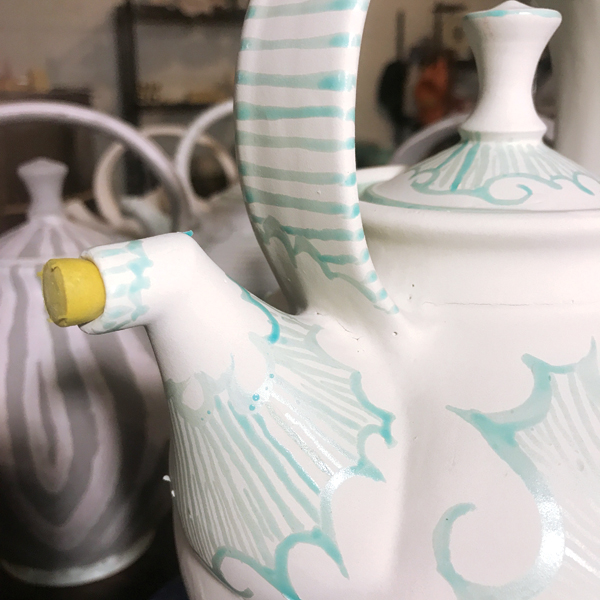 Quick Tip: Preventing Excess Glaze in a Teapot SpoutThe next time you’re preparing to glaze teapots, stop by your local hardware store on your way to the studio and pick up some foam earplugs.
 -
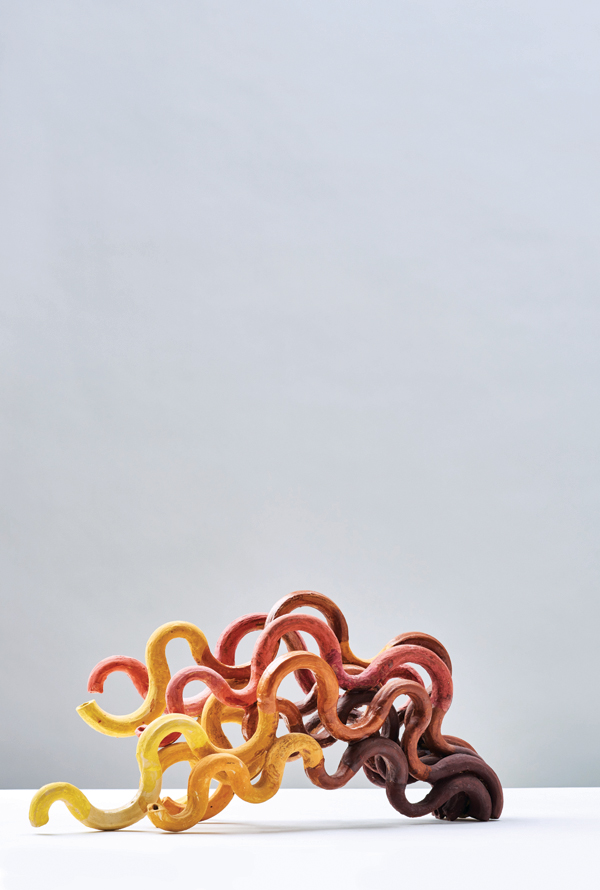 Beate Kuhn: So Much Energy Packed Into Such a Small SpaceImages of nature are always metaphorical and symbolic; they represent the complex relationship between humans and their environment. German artist Beate Kuhn’s work blends the biological world with th
 -
 Spotlight: Retail TherapyYehRim Lee's installations examine consumer culture through the lens of personal experience.
 -
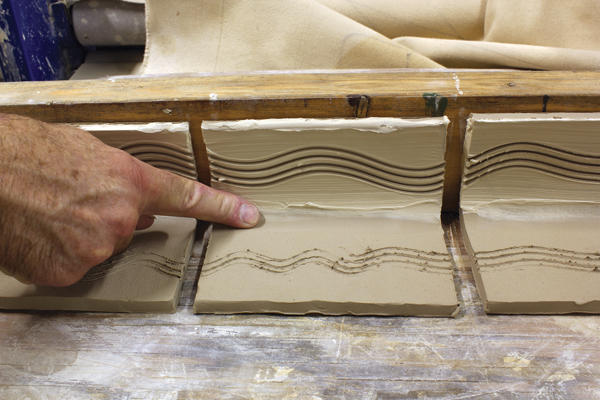 Tips and Tools: L-Shaped Test TileI have been testing glazes for many, many years and have either developed all of my own glazes or adjusted others to suit my glaze application methods and firing schedules. I prefer to use this L-shap
 -
Recipes: Atmospheric Surfaces for Salt/Soda, Wood, and ReductionCeramic recipes for atmospheric surfaces.
-
Call for Entries October 2018Information on submitting work for exhibitions, fairs, and festivals.
-
 Techno File: Flat-Top Roof RepairThe flat-top kiln design has been around for decades. It typically uses two fuel-fired burners located near floor level, one on each side of the flue exit, firing toward the front of the kiln. Larger
 -
 Gallery Guide 2019Planning a trip to a new city? Want to find inspiration or something new for your collection? Find venues that love ceramics as much as you do in our annual Gallery Guide listing.
 -
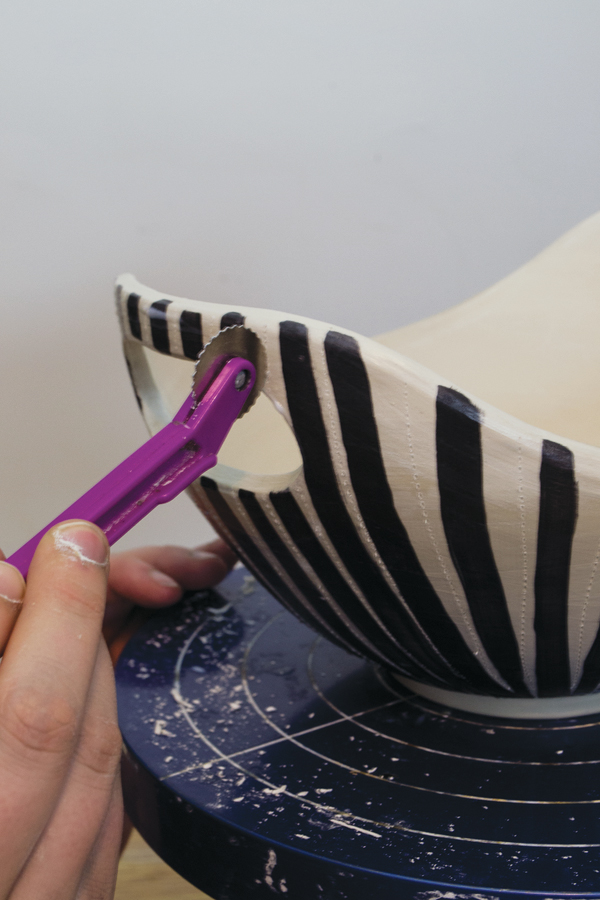 The Fabric of Our LivesThe use of functional objects provides opportunities for memorable moments, whether it is a vase filled with freshly picked flowers, or a platter used to share a meal. These moments can stem from obje
 -
 Stephen Heywood: Naturally ManufacturedAt first glance, Stephen Heywood’s emphatically industrial wheel-thrown ceramic vessels appear quite the opposite of everything we might associate with handcrafted pottery. These small-scale works see
 -
 Tip Toland: Fall OutDespite an overly theatrical installation with darkened walls, professional pool lighting and plinths and pedestals of varying heights, the collective force of Tip Toland’s recent sculptures outweighs
 -
 Gina Etra Stick: Limitless MeaningsGina Etra Stick is somewhat of an enigma. She has been working full time as a ceramic artist for the past three years—a nanosecond relatively with respect to a career—yet she has burst onto the intern
 -
 Studio Visit: Scott Jelich, Anchorage, AlaskaI currently make my work in Rabbit Creek Studio in Anchorage, Alaska. The studio is owned by my friend, Kim Nelson, and is built onto the back of her home. I pay a modest monthly rental fee for a work
 -
Clay Culture: Yankee SwapCollecting handmade ceramics is, in part, about the connections we establish with the pots in our homes. The meaning builds over time with ownership and use, but it begins with the maker and the story
- «
- 71
- 72
- 73
- 74
- 75
- 76 (current)
- 77
- 78
- 79
- 80
- »