
-
 Clay Culture: Inspired by HistoryWhile traveling through Mexico, Craig Hinshaw was able to visit the studio of siblings Patricia and Rodrigo Morales, who create pottery and sculptural replicas based on ancient Mayan forming technique
 -
 Clay Culture: Neutral Hands and WristsNeutral hand and wrist positions, those that result in the least strain on muscles and joints, are important to remember when working long hours in the studio.
 -
 Exposure: November 2020Images from Current and Upcoming Exhibitions
 -
 Quick Tip: Carving with ConfidenceCarving can be nerve wracking for many. Two steps to help you gain confidence in carving are learning what your clay body’s ideal moisture level is for each tool that you use and maintaining that mois
 -
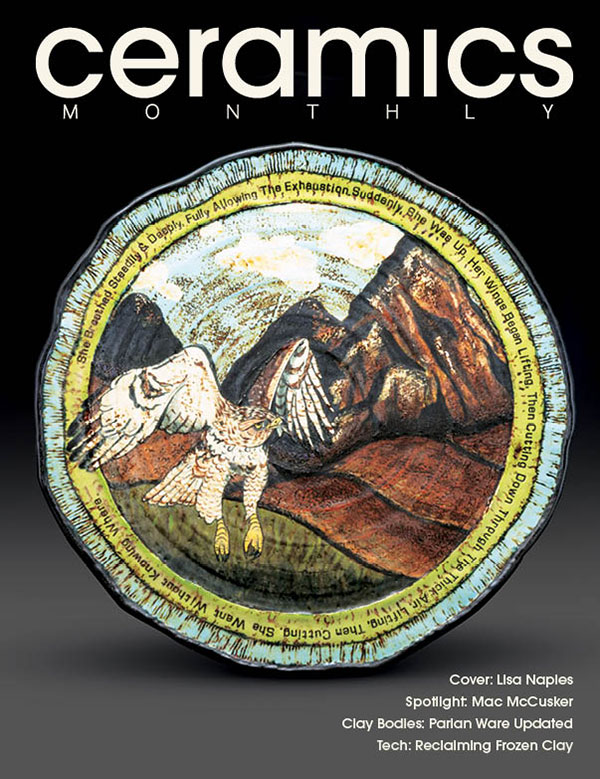 From the Editor: November 2020I don’t know about you, but I seem to naturally gravitate toward depictions of other people or animals, reading their overall features, facial expressions, gestures, stances, posture, and more. This f
 -
 From the Editor: October 2020Galleries and other institutions that showcase ceramics play an important role in their physical communities, as well as the larger ceramics community via their online presence. They help to support a
 -
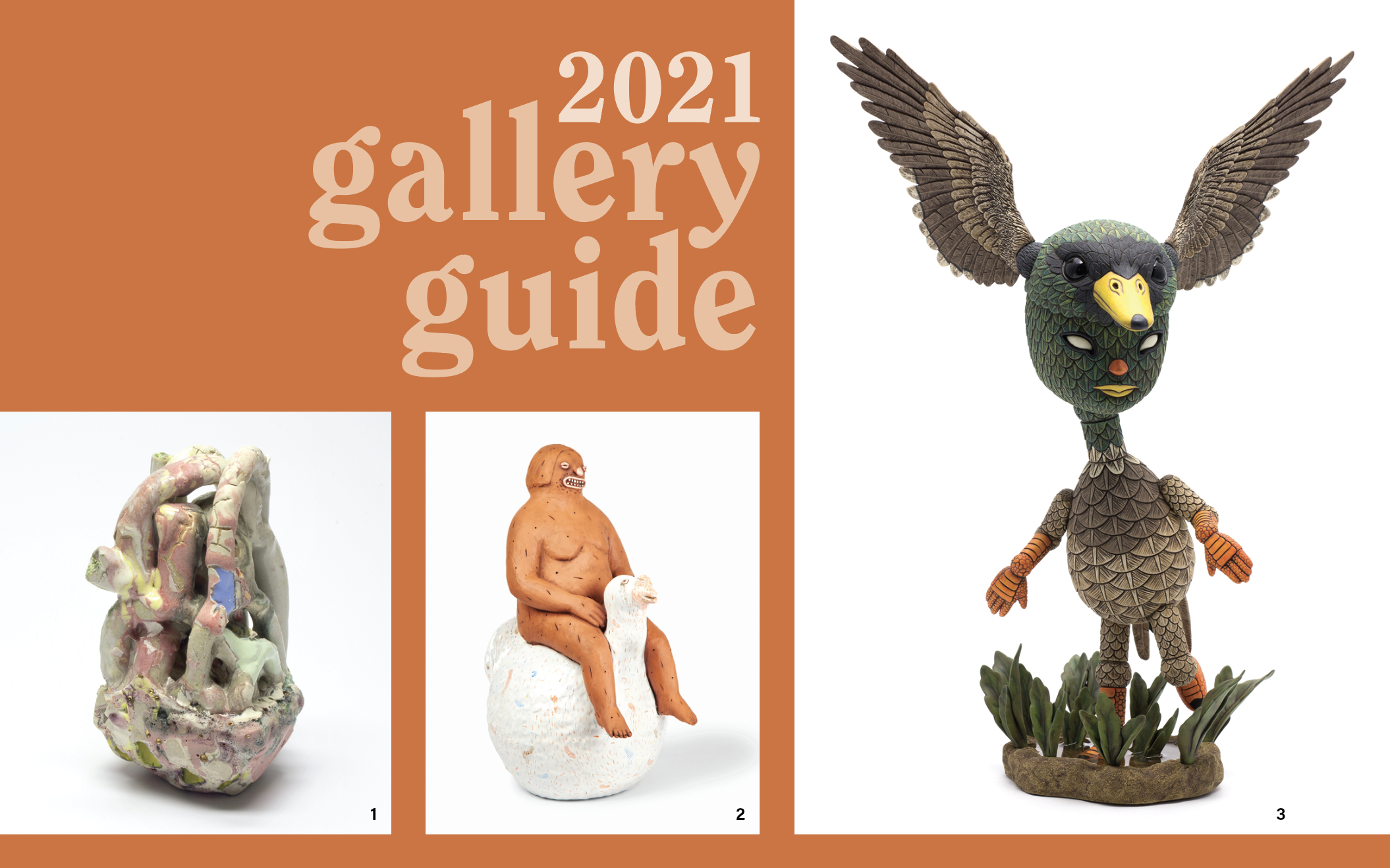 Gallery Guide 2021Find venues that exhibit ceramic art in our annual Gallery Guide listing.
 -
 Spotlight: Point of ConnectionTo find a new audience, Lisa Belsky and Cat Sheridan looked beyond traditional ceramics venues to The Smithery, a jewelry and modern craft gallery, to showcase an exhibition of ceramic cups.
 -
 Call for Entries: October 2020Deadlines for exhibitions, fairs, and festivals.
 -
 Recipes: Clay and Glaze for TileForrest Lesch-Middelton shares a few clay and glaze recipes that have proven suitable for creating handmade tile.
 -
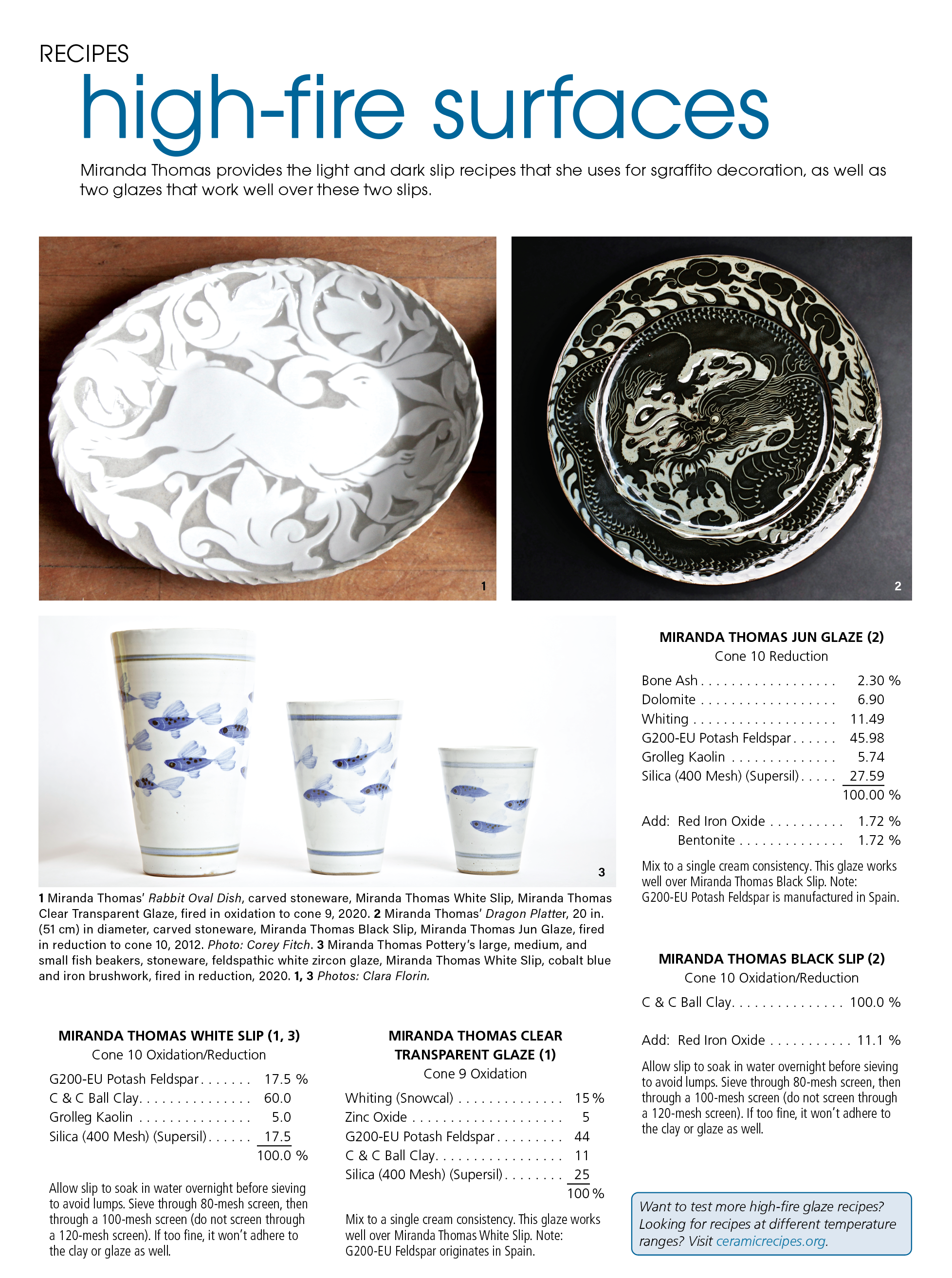 Recipes: High-Fire Sgraffito Slip and Glaze SurfacesMiranda Thomas provides the light and dark slip recipes that she uses for sgraffito decoration, as well as two glazes that work well over these two slips.
 -
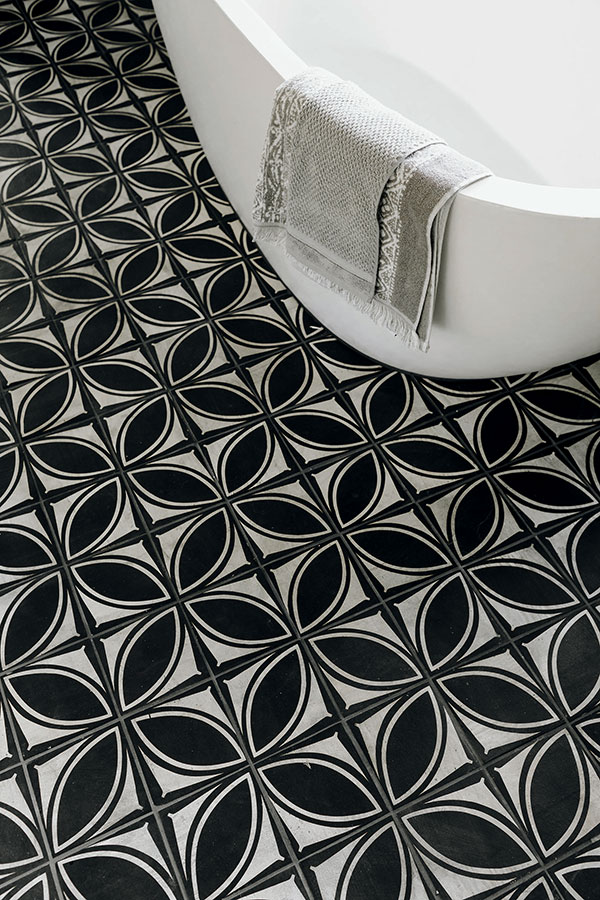 Tips and Tools:All About TileConsider clay body characteristics carefully when making tile by hand. Your choice of clay and the handling techniques you use can greatly impact the success of tile production.
 -
 Techno File: Hard-Panning GlazesDo you have a glaze that settles into a rock-hard layer on the bottom of the bucket? This annoying phenomenon is called hard-panning. Learn the cause of the problem and how to fix it.
 -
 Mimicking TextureCreating figurative assemblages in clay with surfaces that recall the textures and finishes of other materials allows Keith Schneider to build stories for viewers to interpret.
 -
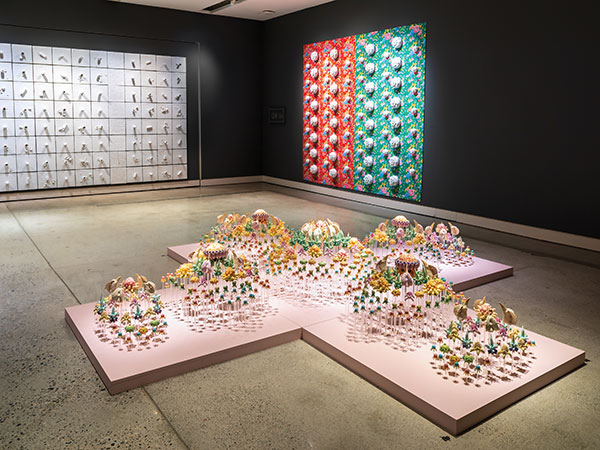 Playing with Fire: Ceramics of the ExtraordinaryA group exhibition at the Museum of Anthropology in Vancouver, British Columbia, Canada, combines beauty and craftsmanship with risk taking and provocation.
 -
 The Women Potters of Rural GuatemalaArtists, designers, gallerists, and non-profit organizations have collaborated in Guatemala to combine generational ceramic traditions with contemporary forms and marketing.
 -
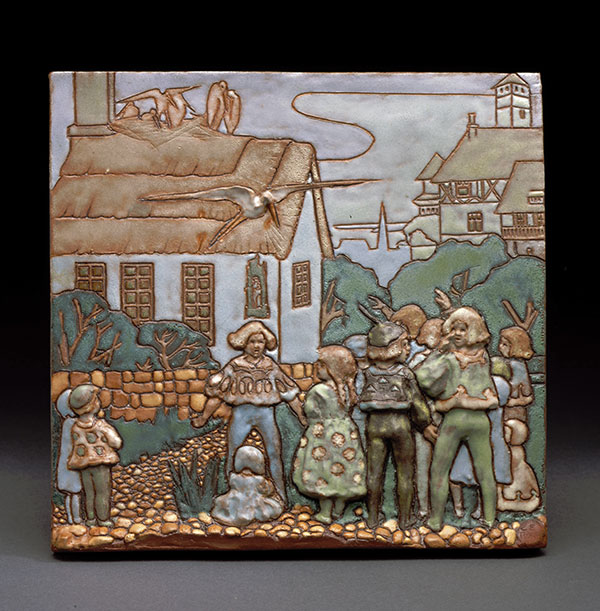 The Legacy of Caroline Risque JanisHow much do we know about the teachers and mentors who inspired our love of clay? Jere M. Grimm set out to learn more about her high-school sculpture instructor, who set the course of Grimm’s career
 -
 Ceramic Deception: Mitchell Spain, Shalene Valenzuela, and Michael SchwegmannThree contemporary artists employ trompe l’oeil techniques to achieve very different results, from evoking nostalgia to building a narrative.
 -
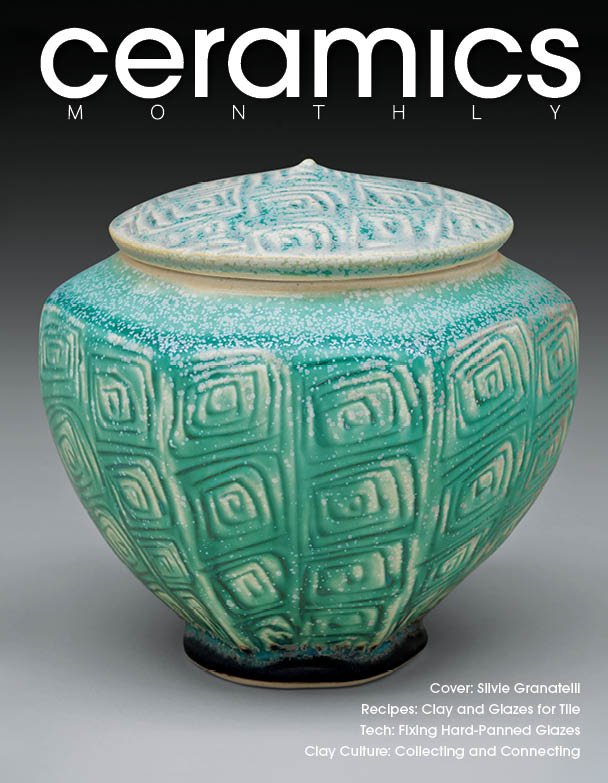
 Studio Visit: Silvie Granatelli, Floyd County, VirginiaI have a gallery in my studio building that is open year round. The workspace was designed with good lighting, so there are no shadows on the work. The building has solar panels on the roof, which sig
 -
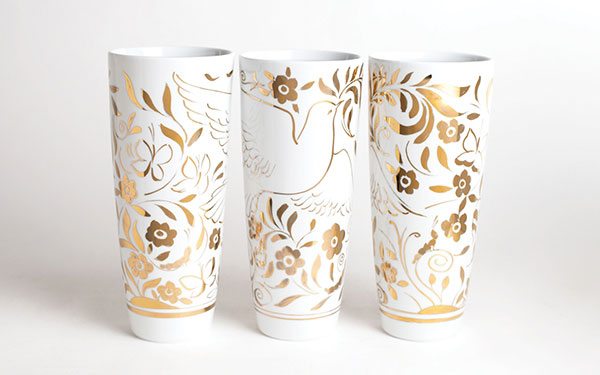 Miranda Thomas Pottery: A Labor of LoveA willingness to delegate and build a skilled team has allowed the Miranda Thomas Pottery to take on numerous challenging, high-profile projects. Additionally, this business practice has allowed Thoma
- «
- 51
- 52
- 53
- 54
- 55
- 56
- 57 (current)
- 58
- 59
- 60
- »