
-
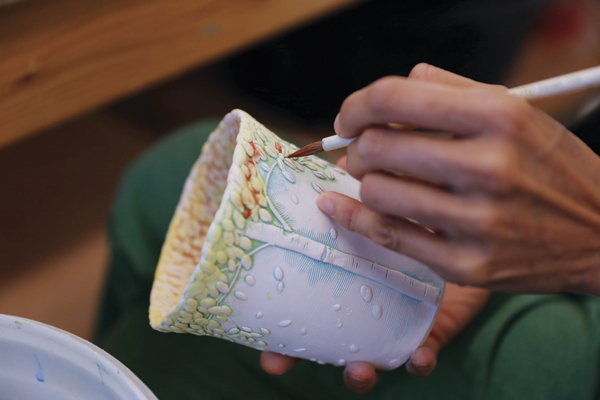 A Focus on Perspective and DepthA little over a year ago a happy accident resulted in my work going in a new direction. A painter by training, I had been using clay as a canvas for my more illustrative work until a deadline and an a
 -
 Creating a Layered CompositionI grew up looking at Japanese lacquerware, which is now a source of inspiration for creating patterns and decoration on my work. Emphasizing pattern over form has been a motivating drive in my work. S
 -
 Editor's Note: Ode to JanuaryJanuary is my favorite month of the year, although I’m not a fan of winter temperatures or bleak landscapes.
 -
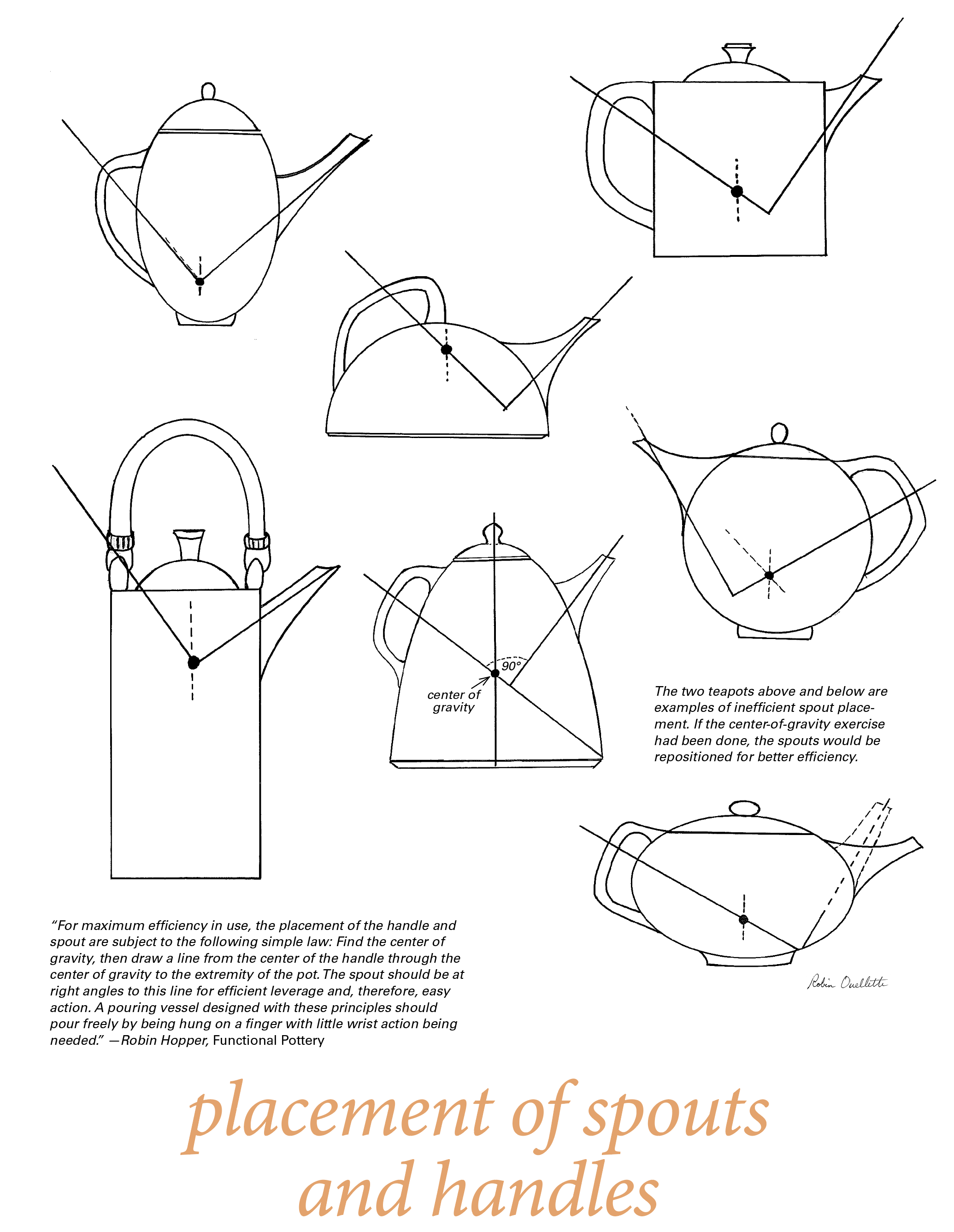 Pottery Illustrated: Placement of Spouts and HandlesPottery Illustrated's Placement of Spouts and Handles.
 -
 In the Studio: The Harp ToolA few summers ago I was at a wood-fire residency at Watershed Center for the Ceramic Arts. While there, I came across a tool that I had never seen before. The unique design and many uses of this harp
 -
 In the Studio: Pricing WorkPricing is a subject that many potters find confusing, especially new sellers. It’s not supposed to be easy, and there’s no formula. Proper pricing can be figured out over time. This is my approach.
 -
 In the Studio: Washes and PatinasOne of the characteristics of terra sigillata is the uniform opaque color created when it’s applied in multiple layers. As a result, this uniform color can flatten the volume of a given form or, conve
 -
 Editor's Note: Table SettingsI’m not sure whether I like setting the table more in anticipation of the meal that’s about to come or for the act of assembling pieces from my ceramic collection as a whole.
 -
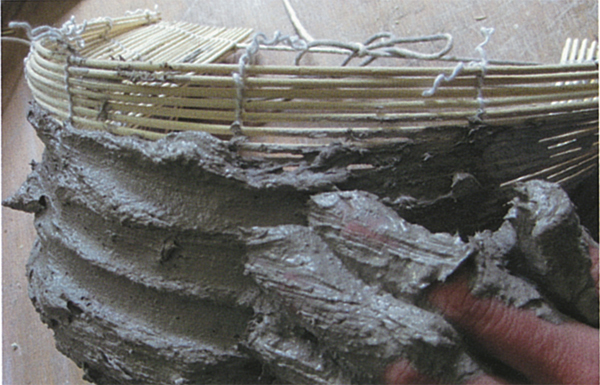 Impressions, Imprints, and DippingIf an absorbent organic material such as cotton fiber or woven fabric is dipped into slip (liquid clay) and then fired in a kiln, the organics burn away, but what is left can still resemble the origin
 -
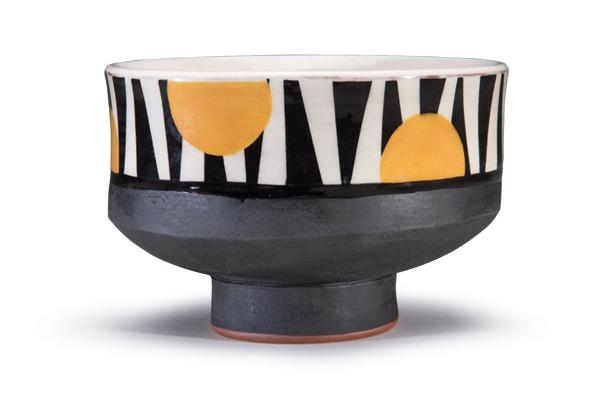 A Source of InspirationA finished, slab-constructed form has distinctive characteristics, the result of a methodical process that moves from concept and scale drawings to the designing of templates and finally the engineeri
 -
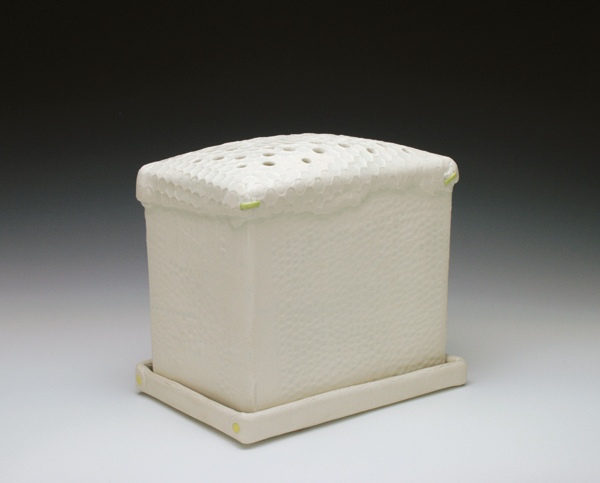 Handbuilt Flower BoxMy work is heavily influenced by the abundance of disposable items that I’m exposed to on a daily basis. I use textures and shapes transferred from disposable or single-use materials such as cardboard
 -
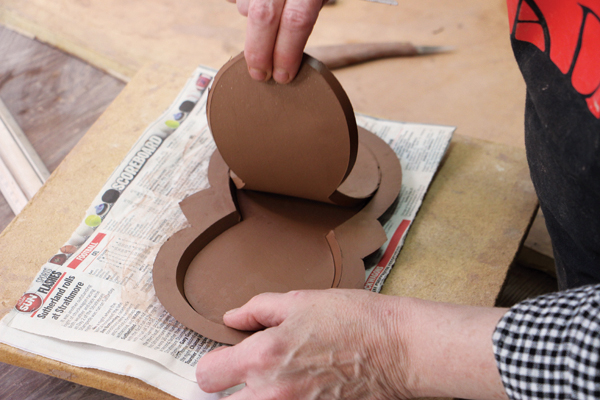 Delighting the EyeI gravitated toward handbuilding techniques during undergraduate school, discovering that they were the best choices for the forms I wanted to make. Inspiration for my pots comes from a variety of sou
 -
 Stacked Place SettingsA stacked place setting is one of my favorite things to make and fire in wood or soda kilns. I enjoy throwing the plates, bowls, and cups that complete each set and I’m absolutely drawn to the varied
 -
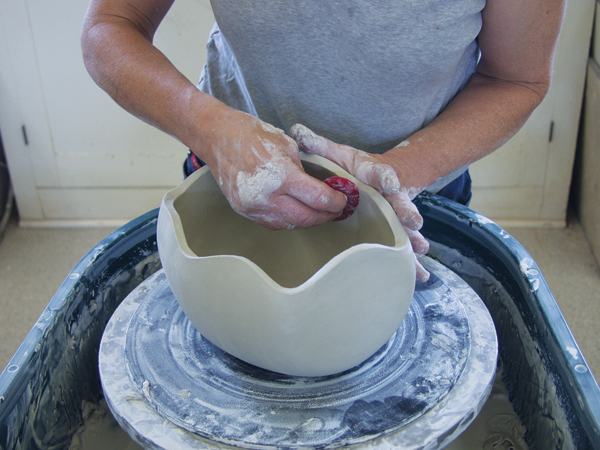 In the Potter's Kitchen: Two-Section Baking DishWhen you think of ovenware, you probably think of a casserole dish first. The lidded baking dish is a staple of both the kitchen and the potter’s art, and can be used for casseroles, meats, roasted ve
 -
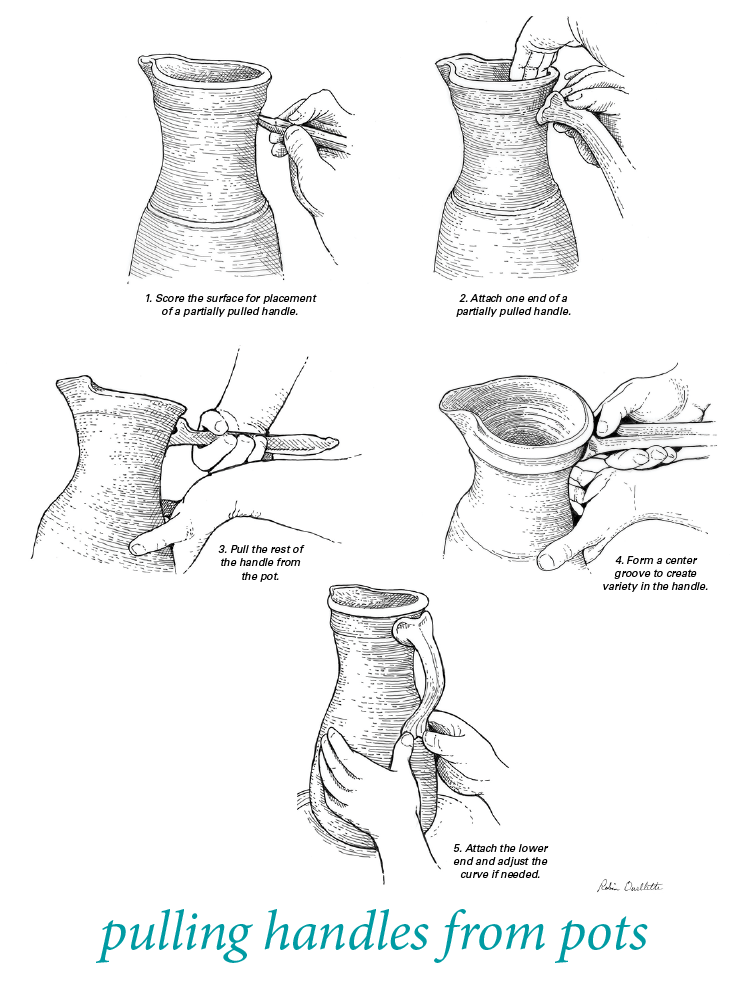 Pottery Illustrated: Pulling Handles From PotsPottery Illustrated pulling handles from pots. Drawn by Robin Ouellette.
 -
 Decorative Glaze Removal ProcessesAlong with all of the variables of glaze application, there are many glaze removal processes that can add greatly to the richness and diversity of the ceramic surface. Some of these are used in conjun
 -
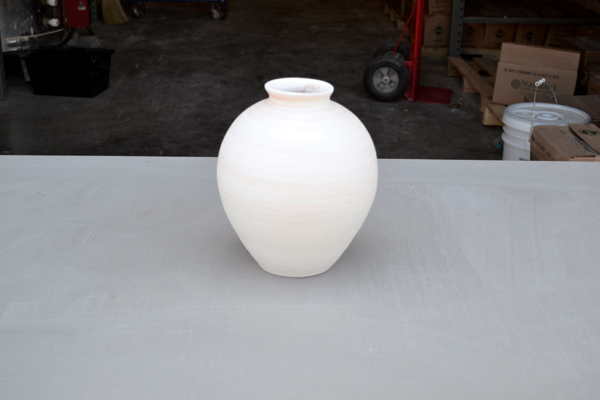 Effective Side FiringI’ve always loved ash glazes. For a long time, I fired in other people’s reduction kilns, often waiting months in between firings. When I finally got my own electric kiln, I was thrilled to start expe
 -
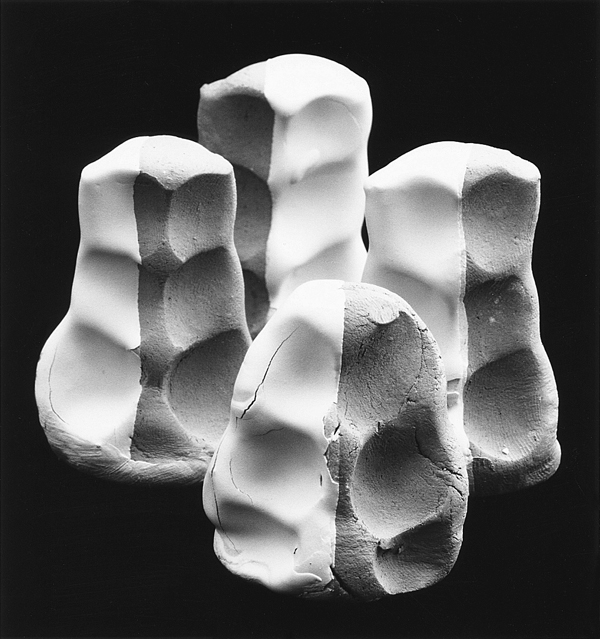 Recording Glaze DevelopmentIt’s amazing how many students and full-time clay workers go about making glazes with a lengthy and time-consuming process, only to forget to clearly write down just what they’ve done. It seems to be
 -
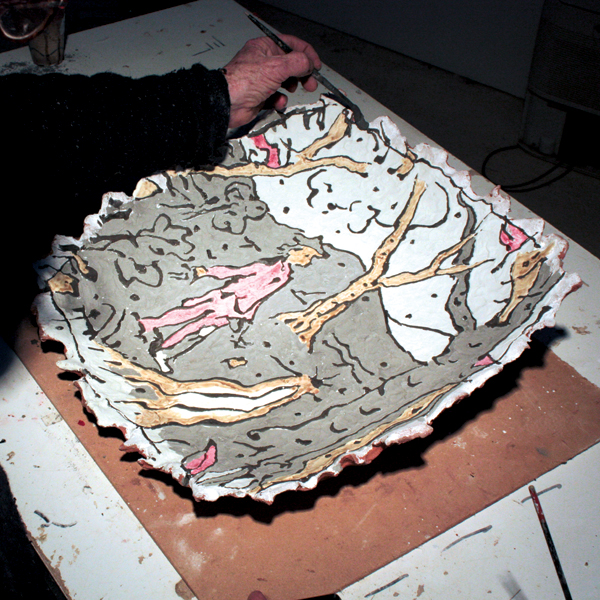 Tactile GeologyI’m trained as a geologist, but I’ve been working with ceramics full time for 35 years. As in geology, I like the nature of materials and how they transform through heat and pressure. I choose to use
 -
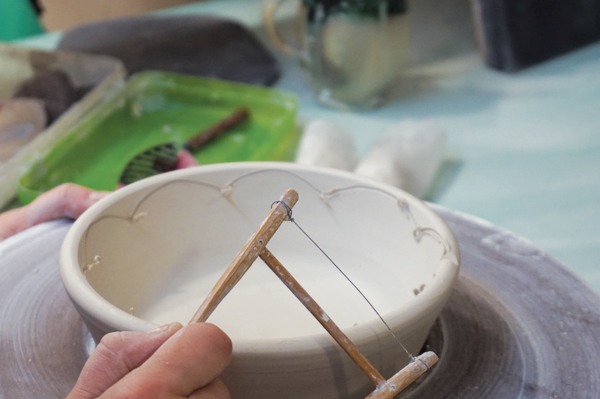 In the Potter's Kitchen: Covered Cupcake StandA covered cupcake stand is probably not a necessity; however, they’re very fun to make, especially if they’re frilly and over-the-top fancy. I like to imagine that mine are going to a tea party with t
- «
- 31
- 32
- 33
- 34 (current)
- 35
- 36
- 37
- 38
- 39
- 40
- »